
Lecture du coran
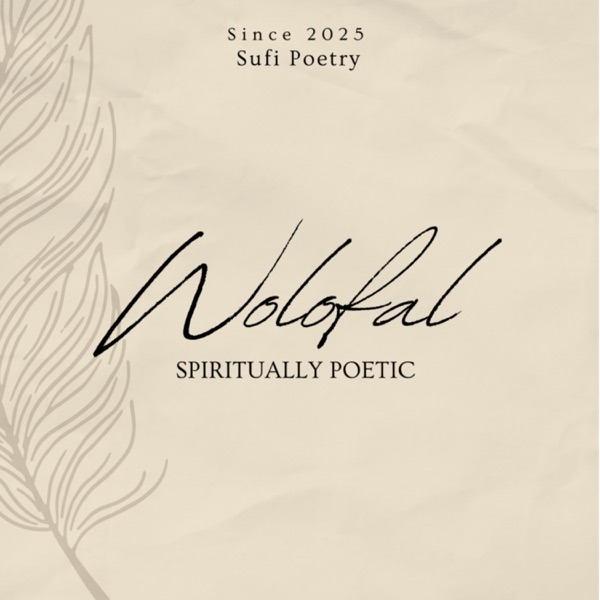
Author: Serigne Mbaye Diakhate Voice: Serigne Abdul Ahad Toure **Wolofal** refers to a modified Arabic script historically used to write the Wolof language, primarily in Senegal, Gambia, and Mauritania. Developed by Muslim scholars, it is part of the broader *Ajami* tradition in West Africa, where Arabic script is adapted to transcribe non-Arabic languages. Wolofal emerged in the 19th century and has been instrumental in preserving Islamic poetry, religious texts, and Wolof cultural heritage. @MASLAKULHUDAA
Author: Serigne Mbaye Diakhate Voice: Serigne Abdul Ahad Toure **Wolofal** refers to a modified Arabic script historically used to write the Wolof language, primarily in Senegal, Gambia, and Mauritania. Developed by Muslim scholars, it is part of the broader *Ajami* tradition in West Africa, where Arabic script is adapted to transcribe non-Arabic languages. Wolofal emerged in the 19th century and has been instrumental in preserving Islamic poetry, religious texts, and Wolof cultural heritage. @MASLAKULHUDAA
Author: Serigne Mbaye Diakhate Voice: Serigne Abdul Ahad Toure **Wolofal** refers to a modified Arabic script historically used to write the Wolof language, primarily in Senegal, Gambia, and Mauritania. Developed by Muslim scholars, it is part of the broader *Ajami* tradition in West Africa, where Arabic script is adapted to transcribe non-Arabic languages. Wolofal emerged in the 19th century and has been instrumental in preserving Islamic poetry, religious texts, and Wolof cultural heritage. @MASLAKULHUDAA
Author: Cheikh Moussa Ka Voice: Unknown **Wolofal** refers to a modified Arabic script historically used to write the Wolof language, primarily in Senegal, Gambia, and Mauritania. Developed by Muslim scholars, it is part of the broader *Ajami* tradition in West Africa, where Arabic script is adapted to transcribe non-Arabic languages. Wolofal emerged in the 19th century and has been instrumental in preserving Islamic poetry, religious texts, and Wolof cultural heritage. @MASLAKULHUDAA
Author: Serigne Mbaye Diakhate Voice: Serigne Abdul Ahad Toure **Wolofal** refers to a modified Arabic script historically used to write the Wolof language, primarily in Senegal, Gambia, and Mauritania. Developed by Muslim scholars, it is part of the broader *Ajami* tradition in West Africa, where Arabic script is adapted to transcribe non-Arabic languages. Wolofal emerged in the 19th century and has been instrumental in preserving Islamic poetry, religious texts, and Wolof cultural heritage. @MASLAKULHUDAA